September 11, 2026
A consistent, unexplained spike in utility expenses often signals that internal heating and cooling components are wearing out. Older equipment works significantly harder to reach target thermostat settings, drawing excessive electricity or gas in the process. Comparing year-over-year billing statements helps homeowners spot alarming efficiency drops. Partnering with a local HVAC company allows property owners to evaluate whether upgrading to high-SEER machinery will generate immediate utility savings.
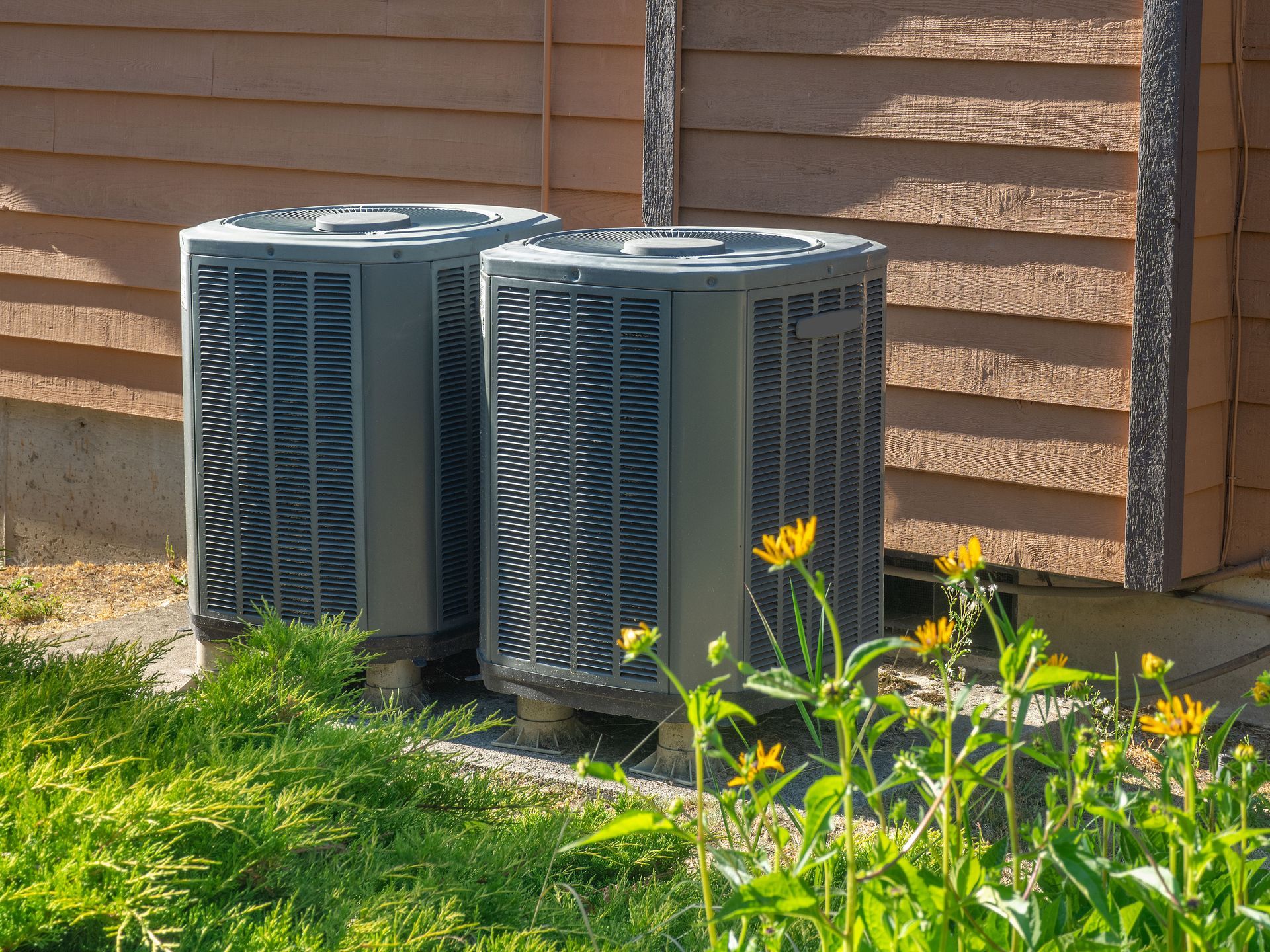
Beyond simple component wear, declining seasonal energy efficiency ratio (SEER) ratings play a massive role in driving up electrical consumption. Older systems manufactured over a decade ago operate on much lower efficiency standards compared to modern variable-speed equipment. When motors and compressors run continuously at full capacity to compensate for lost output, power draw surges dramatically. A comprehensive load calculation and efficiency audit conducted by a professional technician will reveal exactly how much energy an outdated unit wastes each month.
Managing Frequent Equipment Repair Costs
Continuous mechanical breakdowns quickly erode home maintenance budgets while leaving indoor spaces without climate control during extreme seasonal temperatures. Establishing a strict financial threshold helps determine when ongoing component fixes become counterproductive. Major parts like compressors, blower motors, and heat exchangers degrade over time, leading to recurring service calls. Relying on a trustworthy local HVAC company provides a clear assessment of overall system health, helping homeowners decide if investing in a modern unit is more economical than repairing failing machinery repeatedly.
A widely accepted industry rule of thumb is the "5,000 Rule"—multiplying the age of the equipment by the estimated repair cost. If the total exceeds $5,000, replacing the unit is almost always the smarter long-term financial move. Furthermore, older systems often utilize outdated refrigerants like R-22 Freon, which have been phased out due to environmental regulations. Sourcing obsolete parts and restricted refrigerants drives emergency repair bills exponentially higher, making continuous fixes a money pit rather than a sustainable maintenance strategy.
Resolving Inconsistent Indoor Temperature Regulation
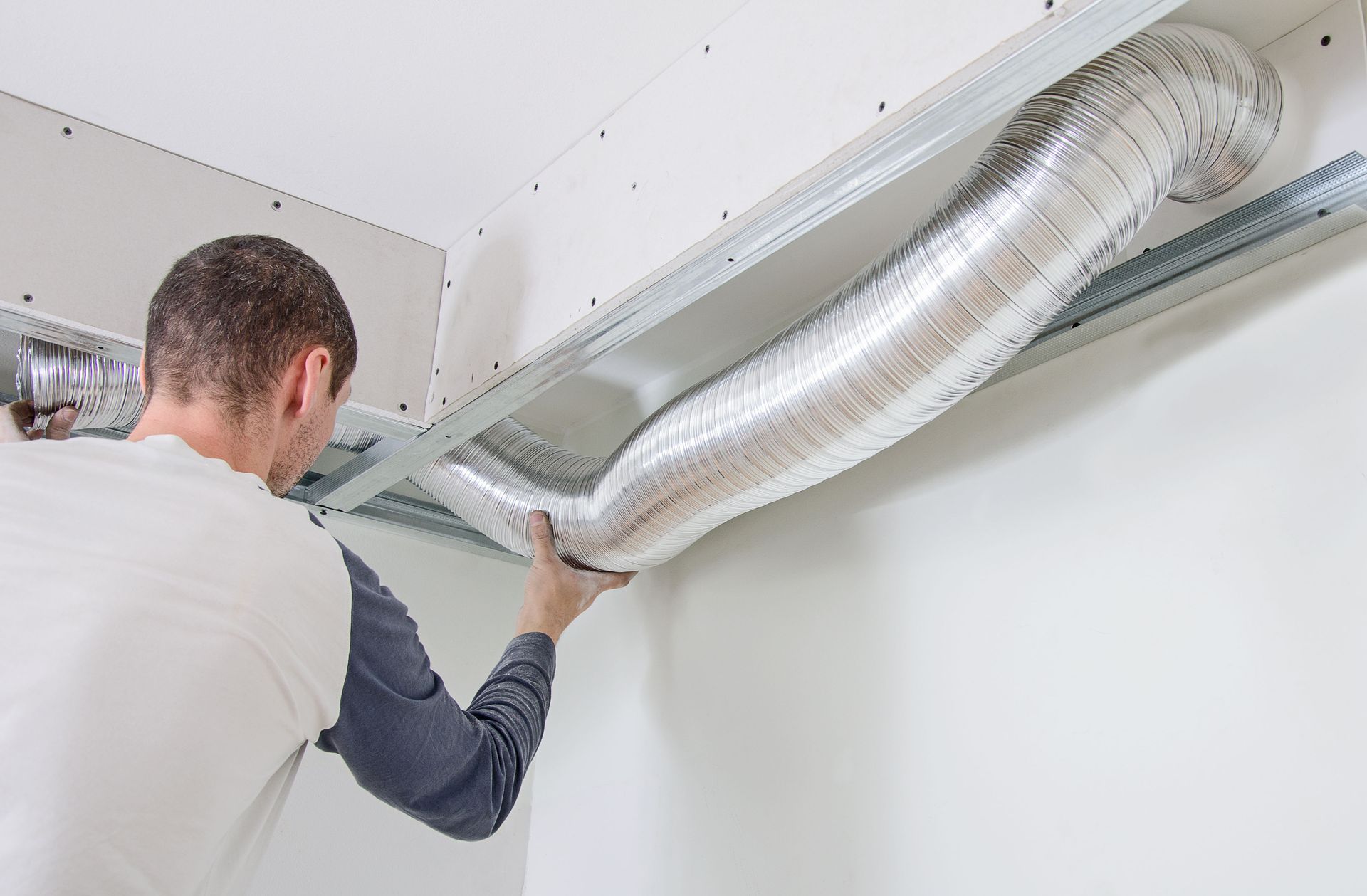
Uneven temperature distribution across different rooms often indicates declining airflow capacity, ductwork leaks, or struggling internal components. Hot and cold spots force heating and cooling units to run longer cycles, increasing mechanical stress and energy consumption. Furthermore, faulty thermostats or outdated zoning controls worsen temperature imbalances. Consulting a knowledgeable local HVAC company ensures a thorough evaluation of air distribution channels, helping determine whether duct sealing, thermostat upgrades, or full system replacement will restore balanced indoor comfort.
When short-cycling occurs, a condition where the unit rapidly turns on and off without completing a full cooling or heating cycle, the system fails to dehumidify the air or equalize temperatures. This constant cycling puts immense stress on electrical contacts and motor windings, drastically shortening operational life. Modern multi-stage and variable-speed systems solve this issue by adjusting output dynamically to meet demand, maintaining a steady, whisper-quiet indoor climate across every square foot of your property.
Investigating Unusual Mechanical Noises
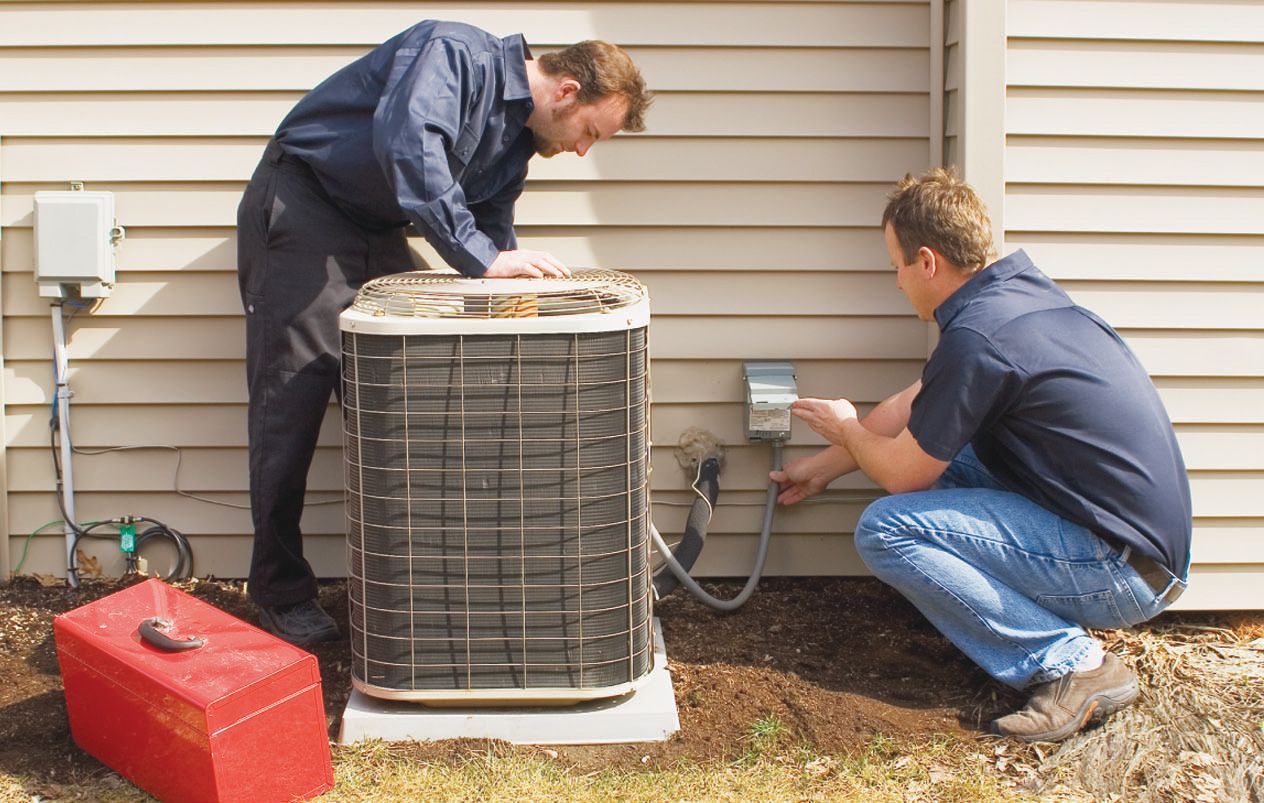
Persistent grinding, squealing, banging, or rattling sounds coming from indoor air handlers or outdoor condenser units signal mechanical distress. Worn bearings, loose fan blades, or failing motor mounts can cause severe internal damage if left unaddressed. Ignoring persistent noise disruptions frequently leads to sudden system failure. Scheduling a professional diagnostic with an experienced local HVAC company helps pinpoint the exact cause of unusual sounds, preventing catastrophic breakdowns and restoring peaceful, quiet operation to your living environment.
Different mechanical noises indicate specific operational failures. For instance, high-pitched screeching often points to a slipping belt or failing blower motor bearing, while loud metallic banging usually indicates a loose connecting rod inside the compressor. A heavy buzzing noise can alert homeowners to electrical relay failures, chattering contactors, or loose wiring that presents a fire hazard. Addressing these auditory warning signs immediately prevents minor component fatigue from cascading into complete equipment destruction.
Improving Poor Indoor Air Quality
Declining indoor air hygiene, manifesting as stale air, persistent dust accumulation, or heightened allergy symptoms, often stems from aging, clogged climate control systems. Modern units utilize advanced filtration media, integrated dehumidifiers, and UV purifiers to actively trap airborne allergens and volatile organic compounds. When routine filter replacements no longer alleviate humidity or air purity issues, aging equipment is likely failing to circulate air effectively. Enlisting a qualified local HVAC company helps homeowners select modern systems equipped with advanced filtration technology to maintain a healthier indoor environment.
Subterranean microclimates, unsealed duct networks, and deteriorating coils frequently harbor microbial growth, dust mites, and dander that get recirculated throughout the entire building envelope. When humidity levels consistently stay above 50%, moisture condenses inside ductwork, creating an ideal breeding ground for biological contaminants. Upgrading to a modern climate system with built-in humidity control features keeps indoor air clean, sanitized, and balanced year-round.
Evaluating System Age and Safety Risks
Equipment approaching or exceeding 10 to 15 years of operational service presents increased reliability risks and reduced thermal efficiency. According to Grand View Research, each year, as many as three million heating and cooling systems are replaced in the U.S., reflecting a widespread recognition that aging units eventually reach the end of their functional lifespans. Upgrading to modern, eco-friendly systems reduces safety hazards while incorporating smart technology for precise temperature control. Consulting a reliable local HVAC company ensures that your heating and cooling equipment complies with current safety codes, protects your home, and maximizes long-term energy performance.
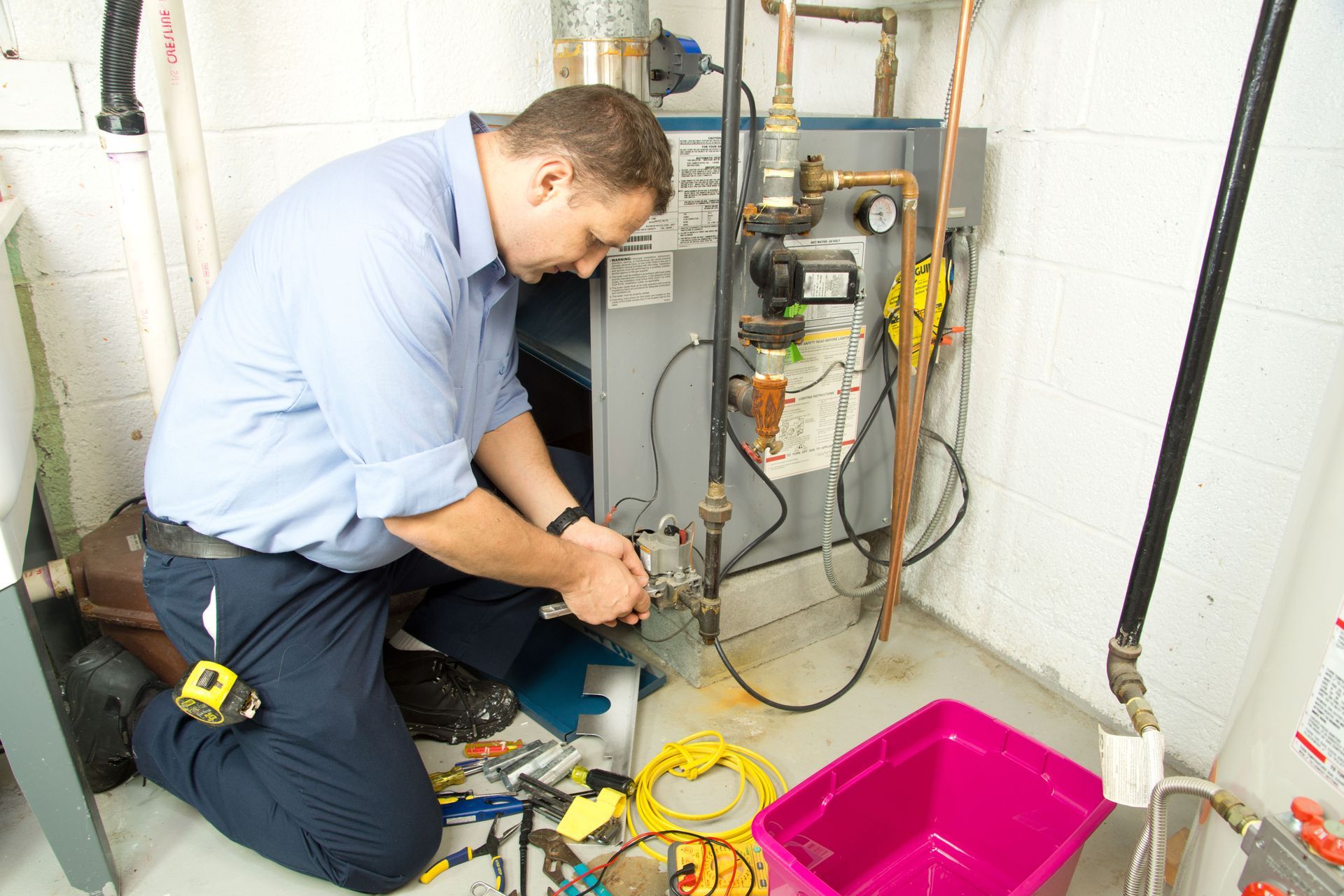
The risk of dangerous carbon monoxide leaks increases substantially as gas furnaces age. Thermal stress causes metal heat exchangers to expand and contract thousands of times over years of operation, eventually developing microscopic hairline cracks. These cracks allow toxic combustion gases to enter the supply airstream without detection. Replacing older gas units with modern equipment featuring automated safety shut-off sensors guarantees structural integrity and protects occupants from toxic gas exposure.
Harnessing Modern Smart Thermostats and Controls
Integrating smart thermostats with contemporary heating and cooling equipment transforms home energy management. Outdated manual dial thermostats cannot adjust output dynamically, leading to energy waste and wide temperature swings. Modern smart controllers allow homeowners to create customized schedules, control zones remotely via smartphone apps, and receive automated diagnostic notifications. Partnering with a skilled local HVAC company ensures seamless integration between smart controls and multi-stage equipment for maximum operational control.
Advanced controls gather environmental data in real time, adjusting compressor speeds and fan velocity based on indoor humidity, outdoor temperatures, and occupancy patterns. These intelligent algorithms eliminate energy waste during hours when the home is empty, lowering carbon footprints without sacrificing personal comfort upon return. Furthermore, real-time maintenance alerts remind homeowners when to replace filters or schedule routine system check-ups.
Maximizing Property Value and Resale Appeal
Installing a new, energy-efficient heating and cooling system is one of the most effective home improvements for boosting overall property value. Prospective homebuyers scrutinize mechanical systems during property inspections, knowing that an aging furnace or air conditioner represents an immediate out-of-pocket replacement expense. Highlighting a recently installed, high-efficiency unit with active manufacturer warranties gives buyers immense confidence, speeding up real estate transactions and supporting higher asking prices.
Deciding when to upgrade your heating and cooling equipment is crucial for maintaining year-round indoor comfort, air quality, and financial efficiency. Recognizing clear warning signs, such as soaring utility bills, persistent mechanical noises, temperature imbalances, and frequent service calls, allows homeowners to take action before a total system breakdown occurs. Investing in a modern, energy-efficient system provides dependable performance, lower energy usage, and long-term peace of mind. To schedule a professional system evaluation or discuss your upgrade options, contact Nemchek Heating & Cooling.